




Buy your weekday smoothies and get your weekend ones for free. (7 for the price of 5!)
WELLNESSWEEK


As late summer fades into early autumn, September presents a prime opportunity for garden planning and planting. While many gardeners associate planting with spring, fall wildflower planting is one of the most effective ways to establish a vibrant, long-lasting garden. Sowing fall wildflower seeds before winter sets in gives plants a crucial head start, allowing them to establish resilient root systems that produce earlier, stronger spring blooms.
Whether you are restoring a natural landscape or creating a backyard pollinator haven, choosing the right wildflower seeds to plant in September ensures your garden bursts into life at the first sign of warm weather.
Planting wildflowers to plant in fall takes full advantage of seasonal climate patterns. During September, soil temperatures remain warm while air temperatures cool down, creating an optimal environment for seed germination and root growth without heat stress.
Key advantages of autumn seed setup include:
Natural Cold Stratification: Many perennial and native annual seeds require a period of cold, damp weather (known as stratification) to break dormancy. Sowing in autumn lets nature handle this process naturally through winter.
Better Root Establishment: Seeds planted in late summer or early fall develop strong root structures underground through winter, leaving them well-prepared for spring growth.
Reduced Watering Needs: Autumn rainfall and winter snowpack provide consistent moisture, reducing the need for artificial watering.
Fewer Weeds and Pests: Weed competition drops significantly in autumn, giving your young wildflower seedlings a clear path to thrive.
For a complete breakdown of garden prep and foundational planting steps, read our guide on Garden Planning for Beginners: How to Get Started.
When choosing wildflower seeds to plant in autumn, selecting a mix of hardy annuals and cold-tolerant perennials yields the best multi-season display.
A staple for autumn sowing, California Poppies thrive when exposed to cool fall temperatures. Their seeds settle during winter and sprout quickly in early spring, producing bright orange and golden blossoms. To learn more about growing conditions, see our detailed guide on How to Grow California Poppies.
Known for their delicate sky-blue petals, Forget-Me-Nots benefit greatly from September sowing. Cold winter soil helps trigger early spring germination, making them ideal for borders and shaded spots. Learn more about cultivating these classics in our article on How to Grow Forget-me-not Seeds.
Shasta Daisies are sturdy perennials that establish underground roots over winter when planted in early fall. By spring, they emerge with strong stems and classic white petals surrounding bright yellow centers. For detailed steps, check out How to Grow Shasta Daisy from Seeds.
Coneflowers require natural cold stratification to break their seed coat. Planting them in September allows winter frost to prepare the seed for robust spring germination. They are also excellent for attracting local pollinators—explore more in our guide on The Importance of Wildflowers in Supporting Pollinators.
To maximize your bloom density and spring germination rates, follow these straightforward steps for fall wildflower planting:
Clear the Ground: Remove existing grass, weeds, and debris from your planting area. Lightly rake the top inch of soil to create a loose, welcoming seedbed.
Scatter the Seeds: Mix your seeds with clean sand (a 4:1 sand-to-seed ratio) for even distribution across the site.
Press for Contact: Walk over the area or use a roller to press the seeds firmly into the soil. Avoid burying wildflower seeds deeply, as most need ambient light to germinate.
Water Lightly: Water the area gently after planting. If September is unusually dry, keep the soil moist until the first hard frost.
For comprehensive preparation steps and sowing techniques, explore our full tutorial on How to Plant Wildflower Seeds: A Step-by-Step Guide.
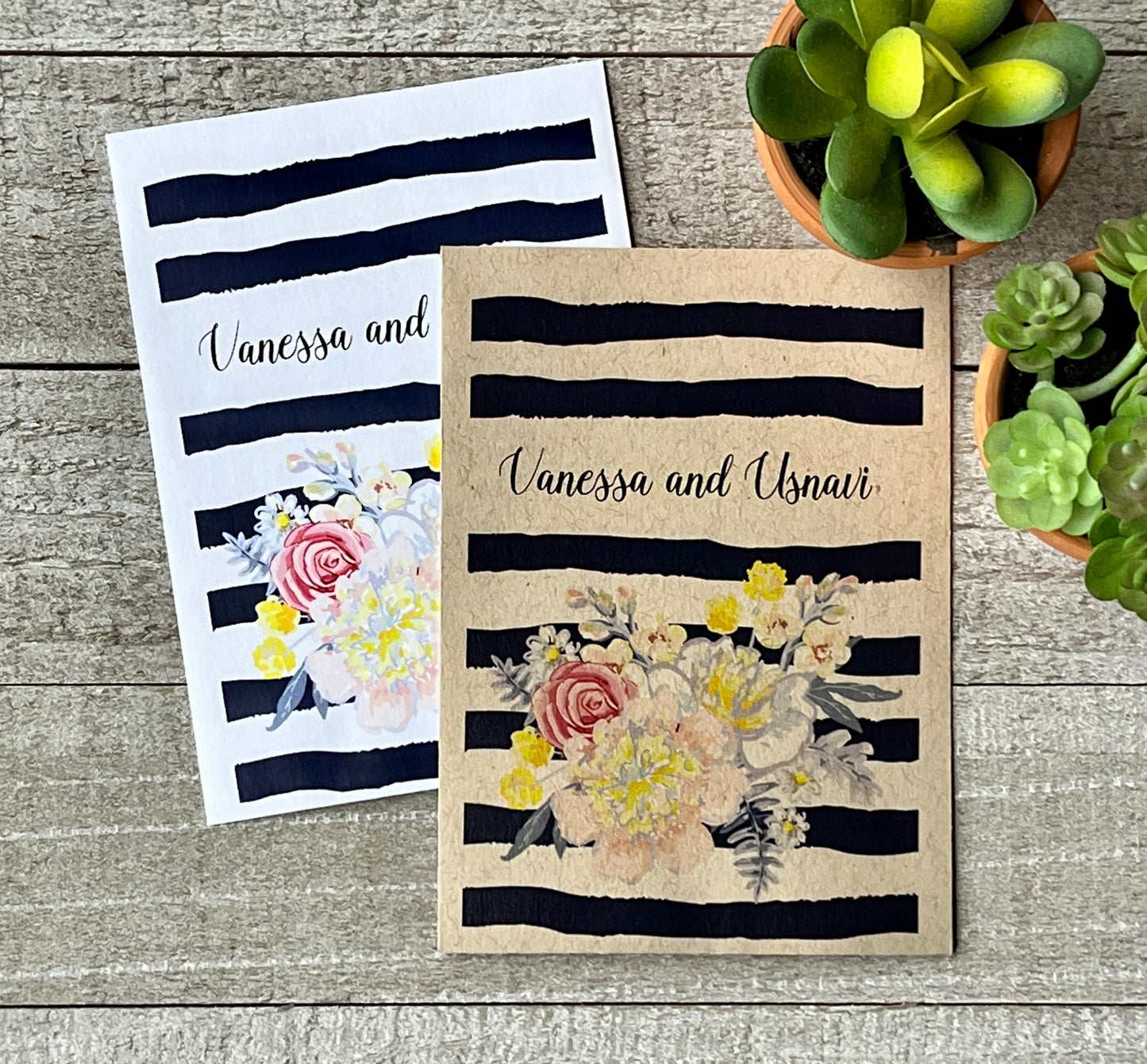
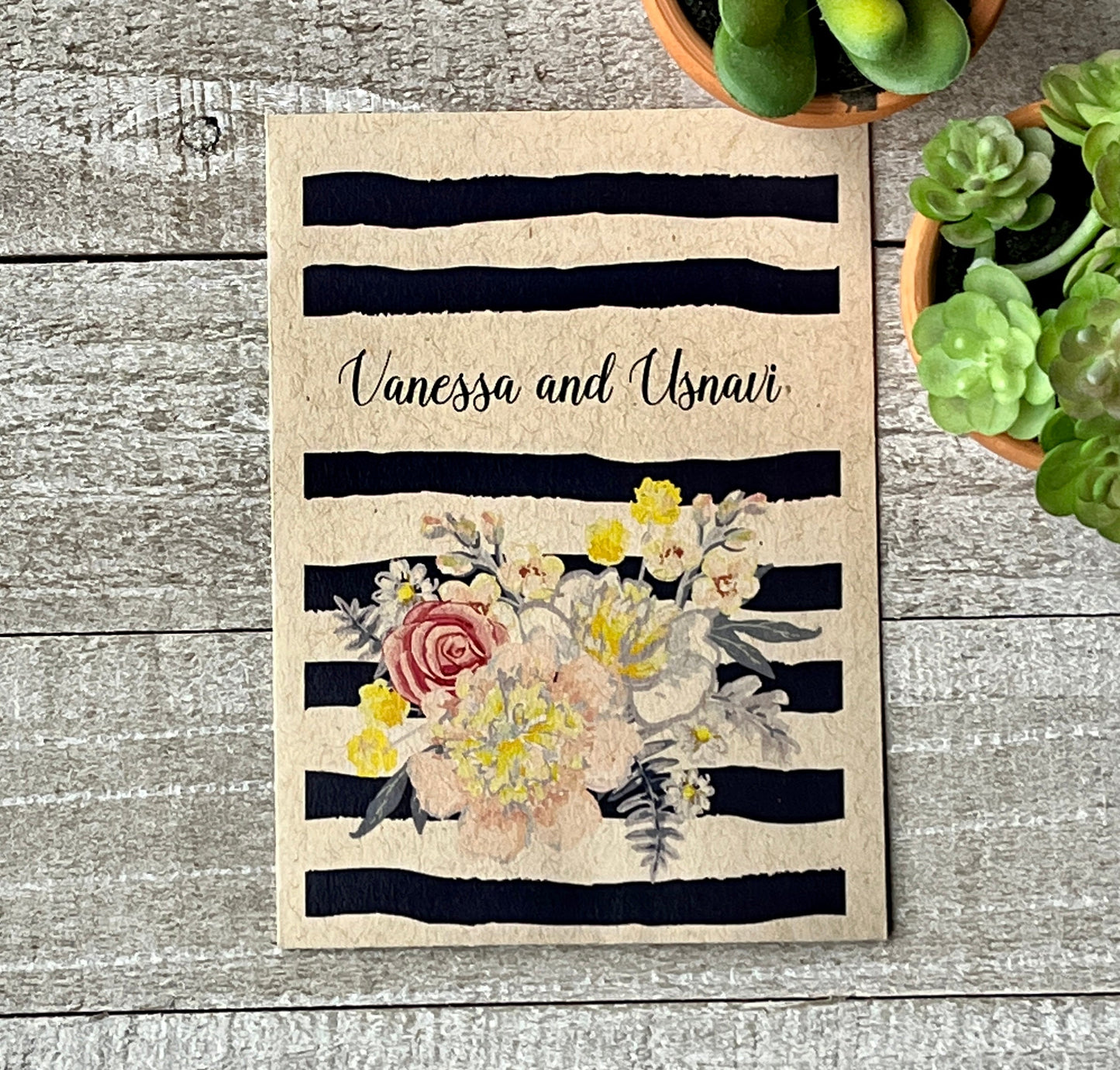
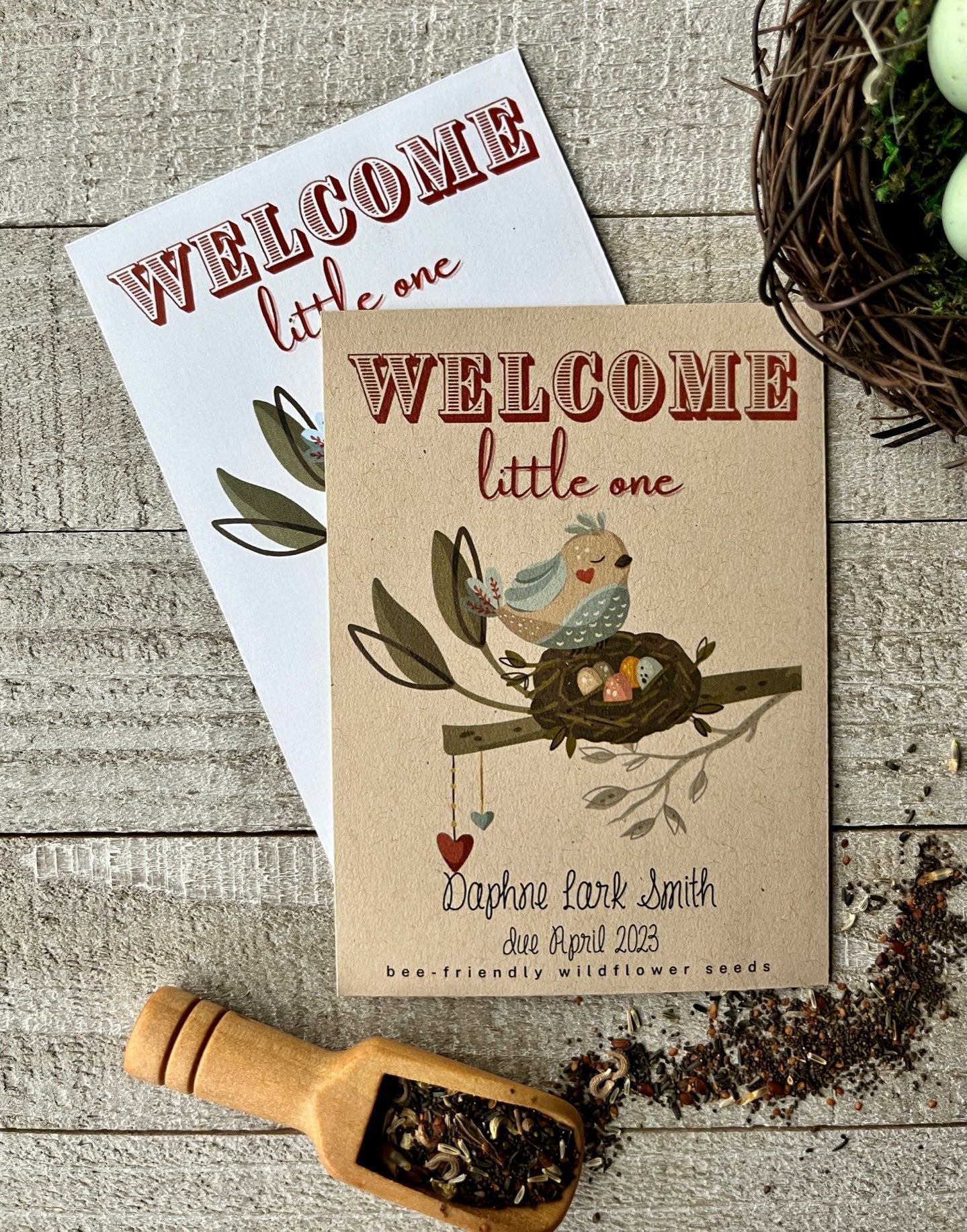
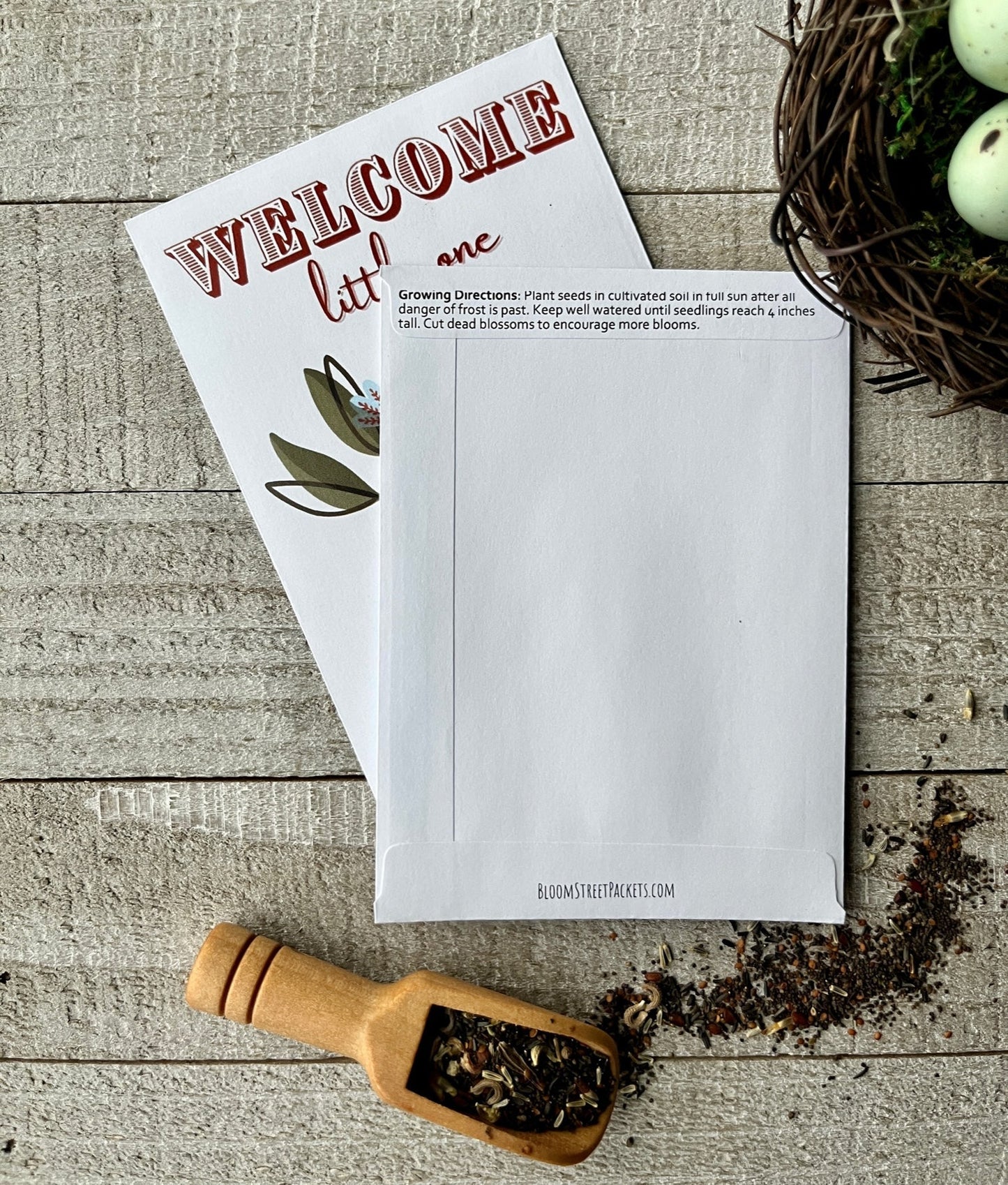
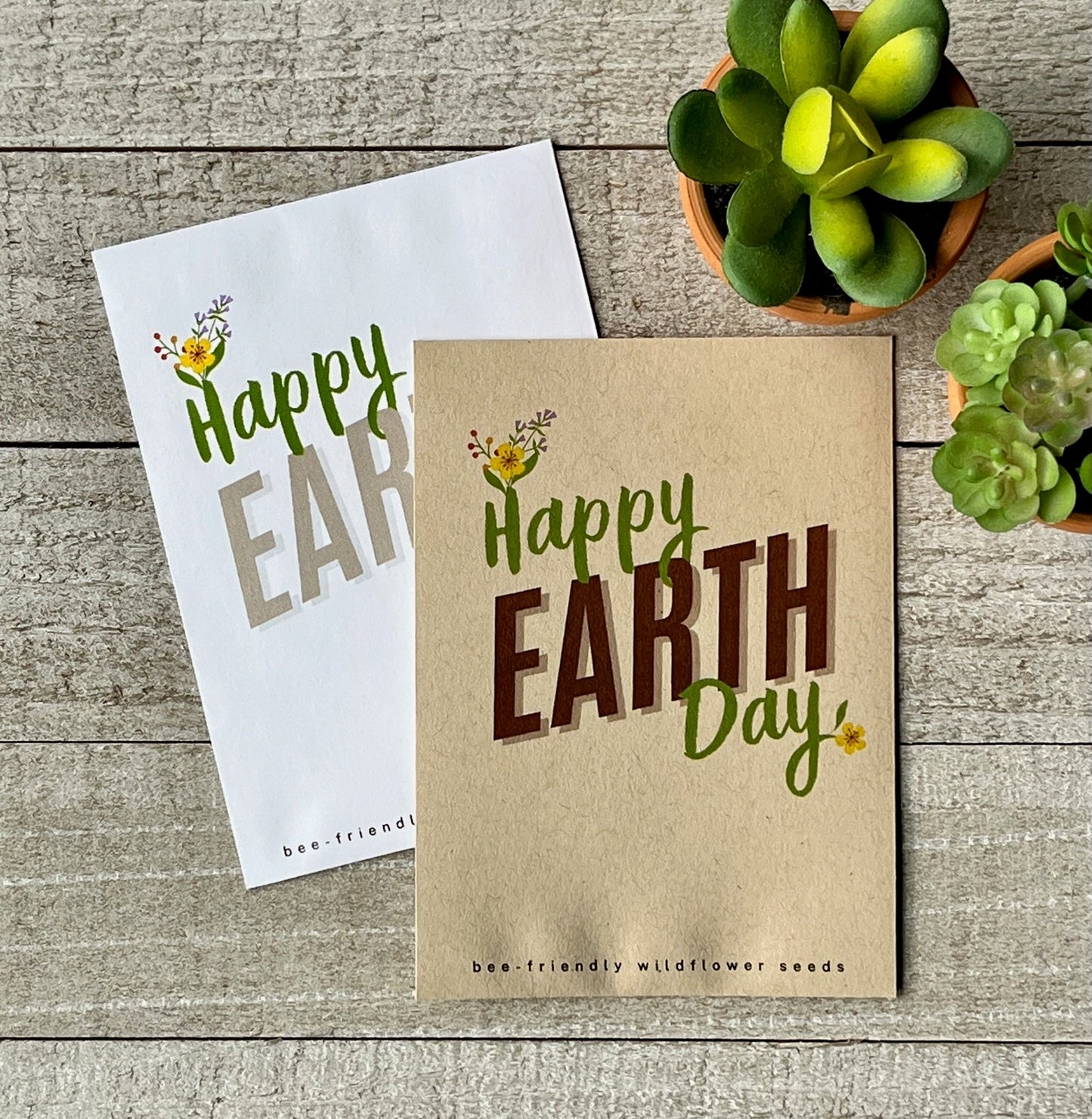
Whether you are seeding a home garden bed or sharing the gift of growth at a special event, Bloom Street Packet offers curated, high-quality wildflower seed mixes tailored for autumn planting. From individual seed varieties like California Poppies and Shasta Daisies to eco-friendly seed favors for events, our packets are designed to help you build a thriving outdoor garden space.
To discover the full range of varieties available for fall planting, visit the Bloom Street Packets Blog for expert growing tips and inspiration.
Yes, September is one of the best months for sowing wildflowers. Planting in fall allows seeds to undergo natural cold stratification over winter, resulting in early and healthy spring growth.
No, most native wildflower seeds are adapted to survive freezing winter temperatures. Cold weather keeps them dormant until conditions are right for germination in spring.
Most wildflower seeds should not be deeply buried. Lightly press them into raked soil so they make firm contact while still receiving the light needed for germination.
Cold stratification is a process where seeds experience a cold, moist period that breaks their dormant state. Sowing seeds in autumn allows nature to fulfill this cycle without manual refrigeration.
Get 10% Off Your First Order.