




Buy your weekday smoothies and get your weekend ones for free. (7 for the price of 5!)
WELLNESSWEEK


To grow California poppies from seeds, sow them directly into well-drained soil in full sun. Cover seeds lightly, keep the seedbed moist during germination, and thin crowded seedlings. Once established, California poppies tolerate dry conditions and need relatively little care.
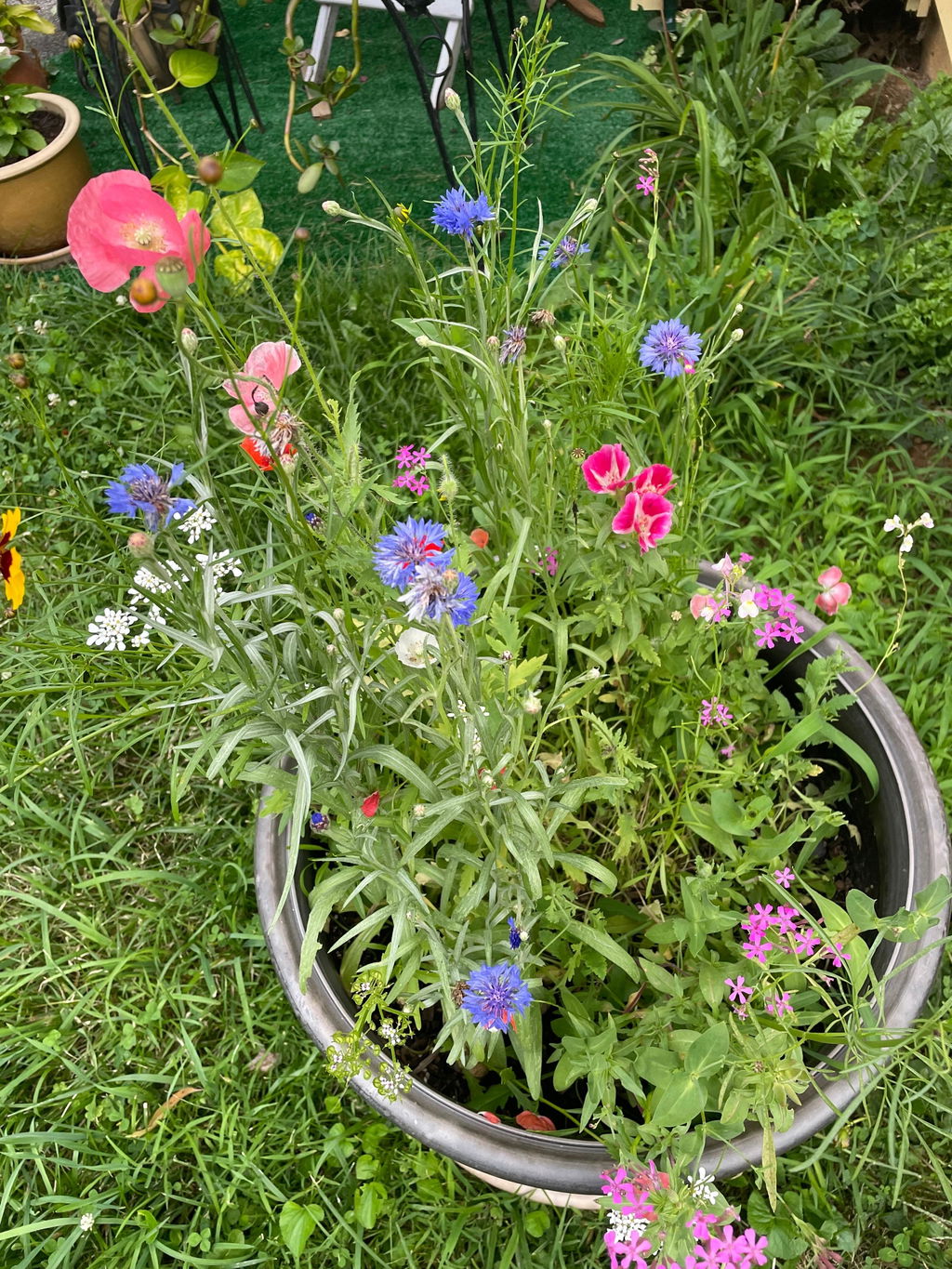
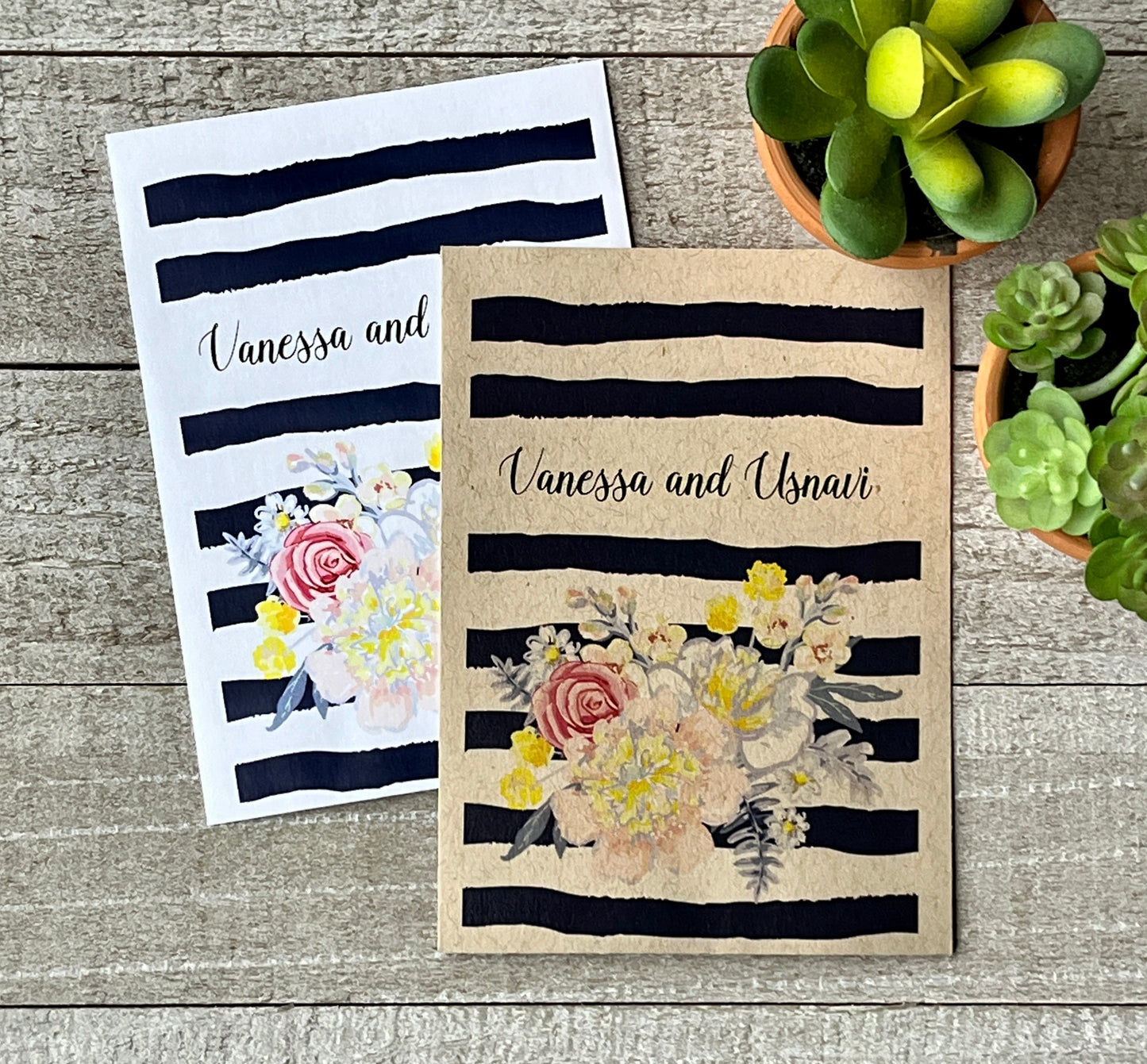
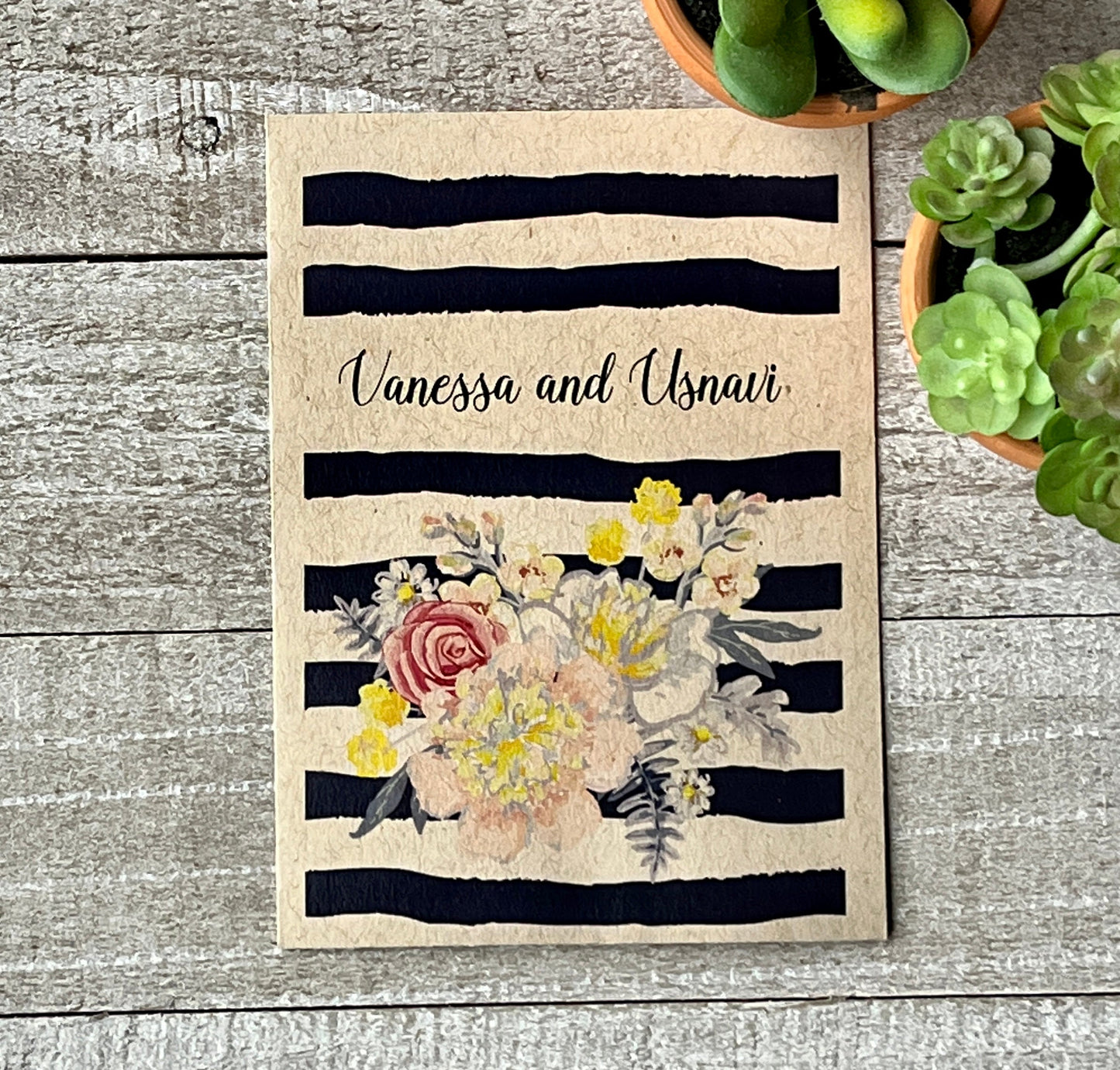
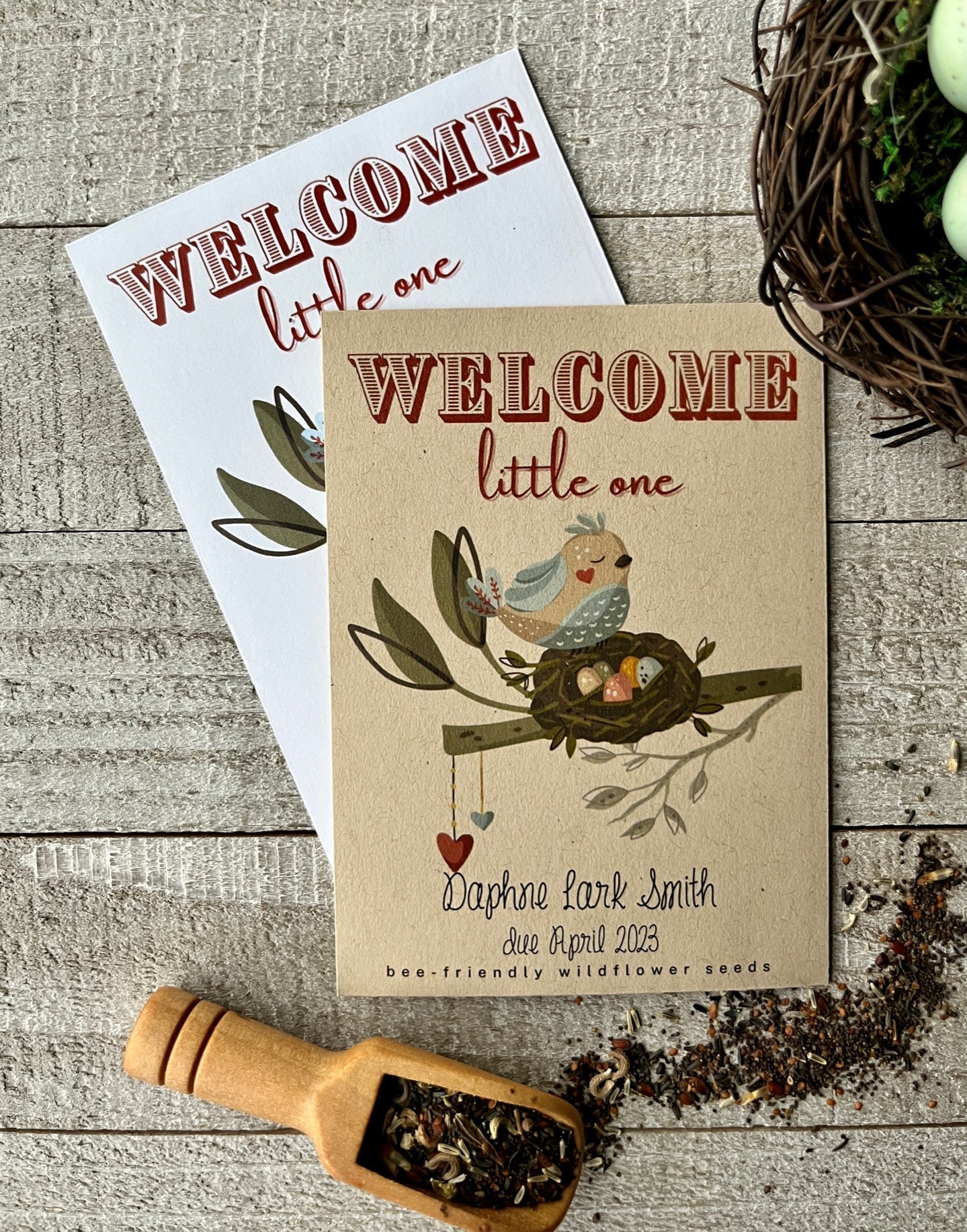
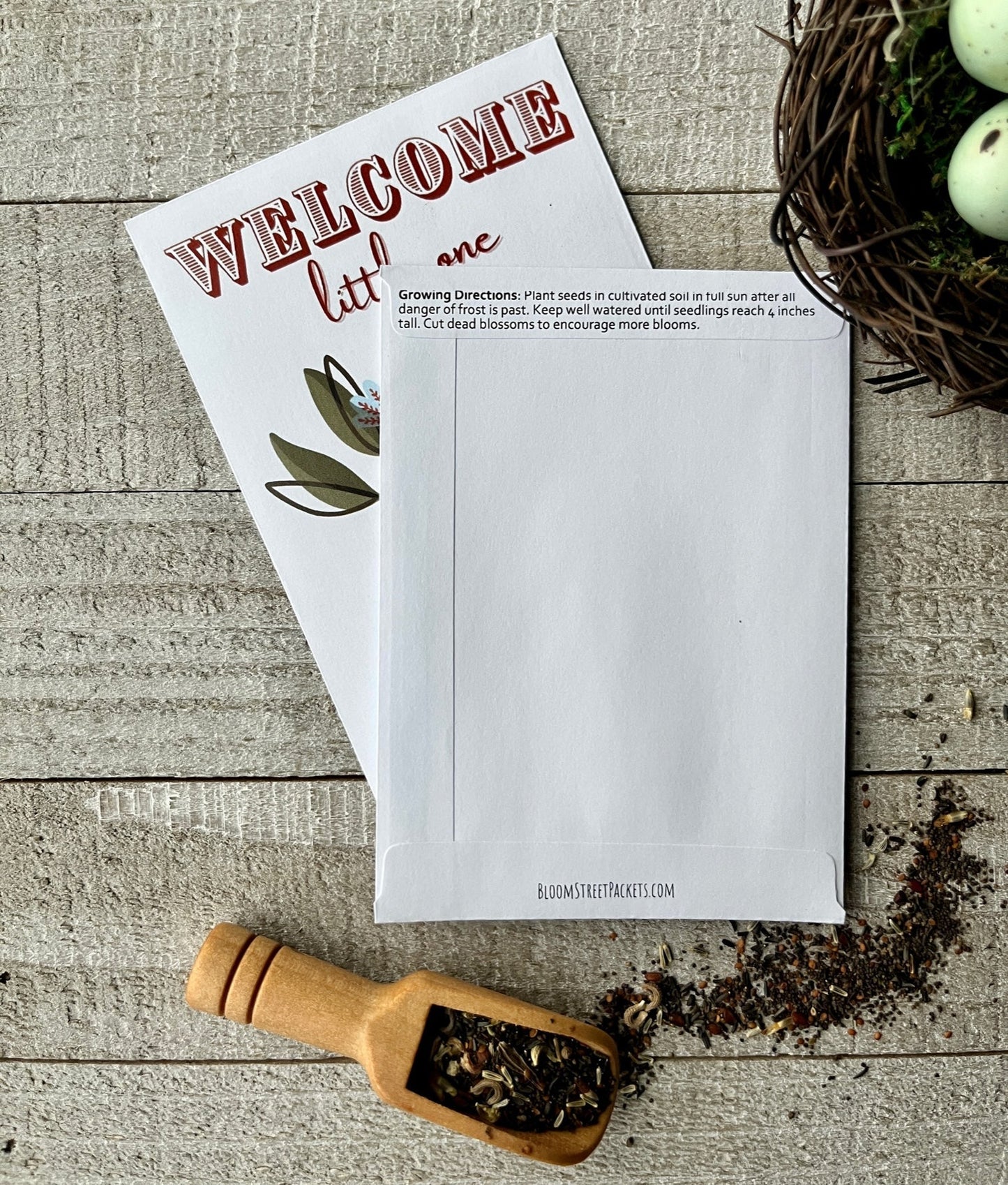
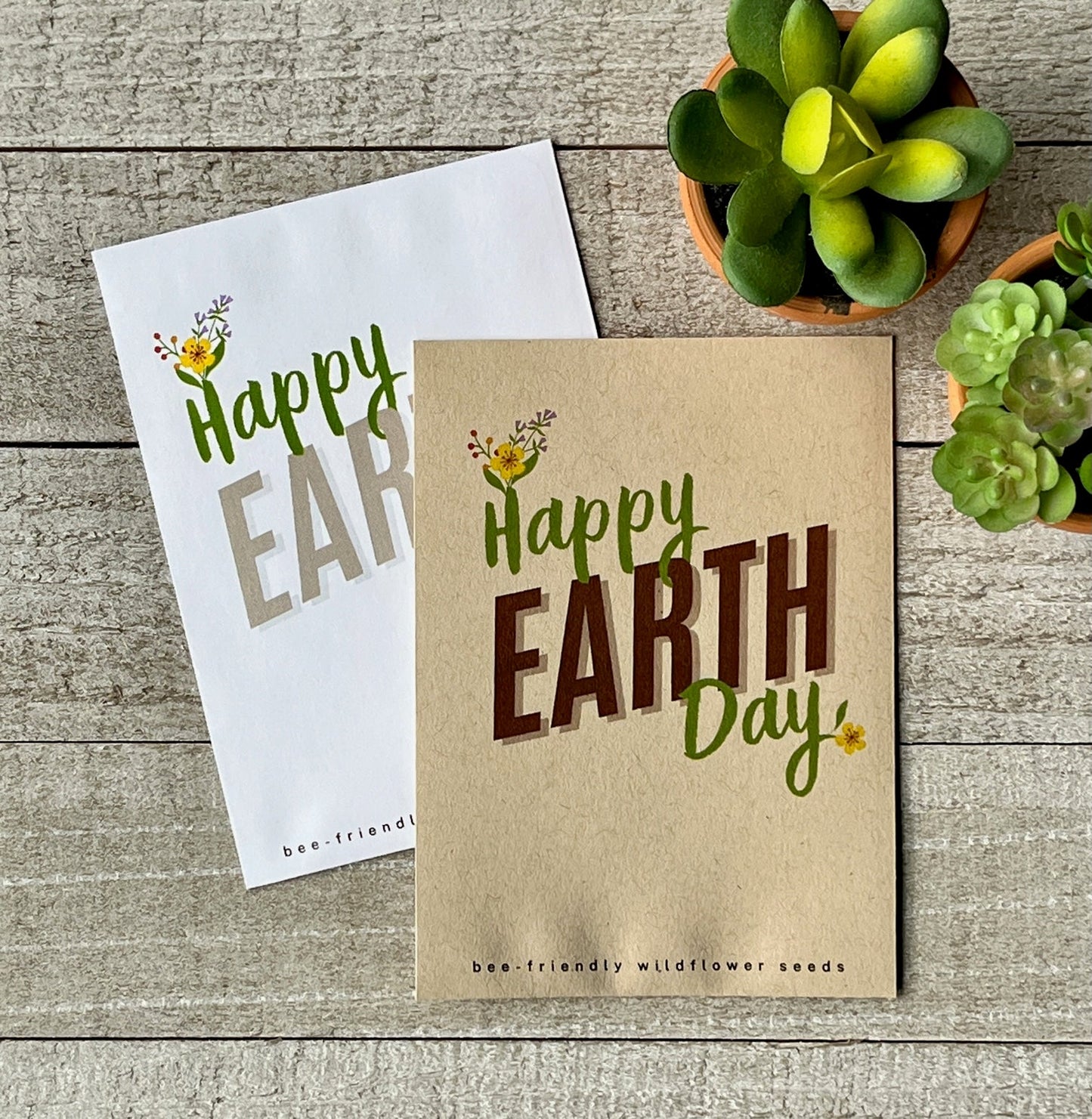
California poppies (Eschscholzia californica) bring bright flowers and delicate, fern-like foliage to garden beds, borders, and containers. Whether you’re planting a garden patch or seeds from a Bloom Street Packets favor, this guide will help you get started.
Sunlight: Full sun.
Soil: Well-drained soil; rich soil and heavy feeding are usually unnecessary.
Planting time: Spring or fall, depending on your climate.
Planting method: Direct sowing is preferred.
Seed depth: About ¼ inch, or follow your packet’s instructions.
Germination: Commonly 14–21 days under suitable conditions.
Spacing: Approximately 6–10 inches, depending on the variety.
Water: Keep seeds moist; reduce watering as plants establish.
Spring and fall are both possible planting seasons, but the best timing depends on your local weather.
Mild-winter climates: Fall sowing can allow plants to establish during the cooler season.
Colder climates: Spring sowing is a straightforward option; follow your packet’s frost guidance.
Hot climates: Plan for growth and flowering during cooler weather rather than peak summer heat.
Local growing conditions matter more than a fixed calendar date.
Choose an open, sunny location where water drains freely.
Suitable planting spots include:
Sunny garden borders.
Rock gardens.
Informal flower beds.
Containers with drainage holes.
California poppies tolerate relatively poor soil. Avoid automatically adding large amounts of compost or fertilizer.
If your soil stays wet or is heavily compacted, consider a better-drained location or container.
Direct sow seeds where you want the plants to grow.
Remove weeds and debris so seeds can reach the soil.
Loosen and smooth the surface with a rake.
Scatter seeds thinly or sow in shallow rows.
Cover with approximately ¼ inch of soil, following your packet.
Water gently to avoid washing the tiny seeds away.
Sowing thinly helps reduce crowding and makes later thinning easier.
California poppy seeds commonly germinate in 14–21 days, though temperature and moisture affect timing.
While waiting for seedlings:
Keep the surface evenly moist.
Use a gentle spray when watering.
Avoid leaving the soil saturated.
Check regularly during dry or windy weather.
Don’t assume the planting has failed if seedlings don’t appear immediately.
Thin crowded seedlings once their first true leaves appear and they are easy to handle.
Aim for approximately 6–10 inches between plants.
Follow your packet if it recommends different spacing.
Snip unwanted seedlings at soil level to avoid disturbing nearby roots.
You don’t need to thin twice on a fixed schedule. The goal is to give the remaining plants adequate room.
Seeds and young seedlings need moisture to establish. Mature plants are drought tolerant and generally need less water.
Keep the seedbed moist during germination.
Gradually reduce watering as seedlings establish.
Allow soil to dry somewhat between waterings.
Adjust for rainfall, heat, and container conditions.
Avoid keeping established plants in persistently wet soil.
You can, but direct sowing is usually easier. California poppies develop roots that do not respond well to disturbance.
If you start seeds indoors:
Use individual cells or containers.
Transplant while seedlings are young.
Gradually introduce them to outdoor conditions.
Keep the root ball intact when planting.
Avoid digging up established plants to move them.
Deadheading means removing spent flowers before seed pods mature.
For additional blooms: Remove faded flowers regularly.
To limit self-seeding: Remove developing pods before they dry and split.
To encourage reseeding: Leave some pods to mature.
California poppies can reseed freely when conditions suit them, so remove unwanted seedlings while they are small.
Sometimes. California poppies are often grown as annuals but may survive as short-lived perennials in mild climates.
New plants may also appear from fallen seeds. That means flowers returning next year may be seedlings rather than the original plants.
Their growth and flowering respond to seasonal conditions, so avoid expecting the same display throughout the year.
California poppy flowers naturally close at night and during cloudy or rainy weather. This is normal and does not necessarily mean the plant needs water.
A sunny location helps you enjoy their open blooms.
Growing flowers can turn a little packet of seeds into something meaningful—a bright garden corner, a reminder of a celebration, or a way to remember someone you love.
If your California poppy seeds came from Bloom Street Packets, we hope watching them grow brings you moments of beauty and connection.
Get 10% Off Your First Order.