

Buy your weekday smoothies and get your weekend ones for free. (7 for the price of 5!)
WELLNESSWEEK


To grow sunflowers from seeds, sow them directly into well-drained soil in a sunny location after the danger of frost has passed. Keep the seedbed moist during germination, give seedlings enough space, and water regularly as plants establish.
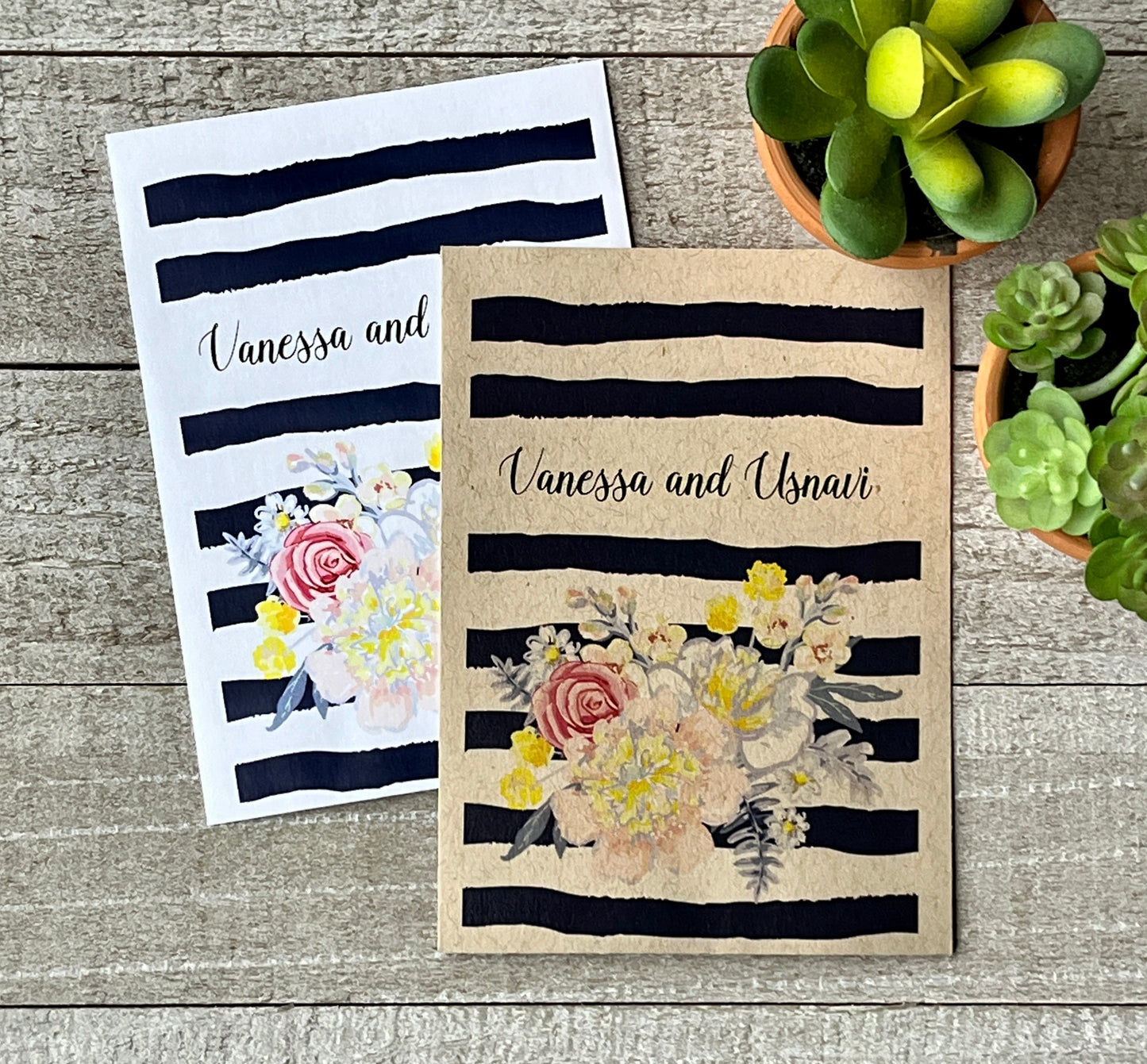
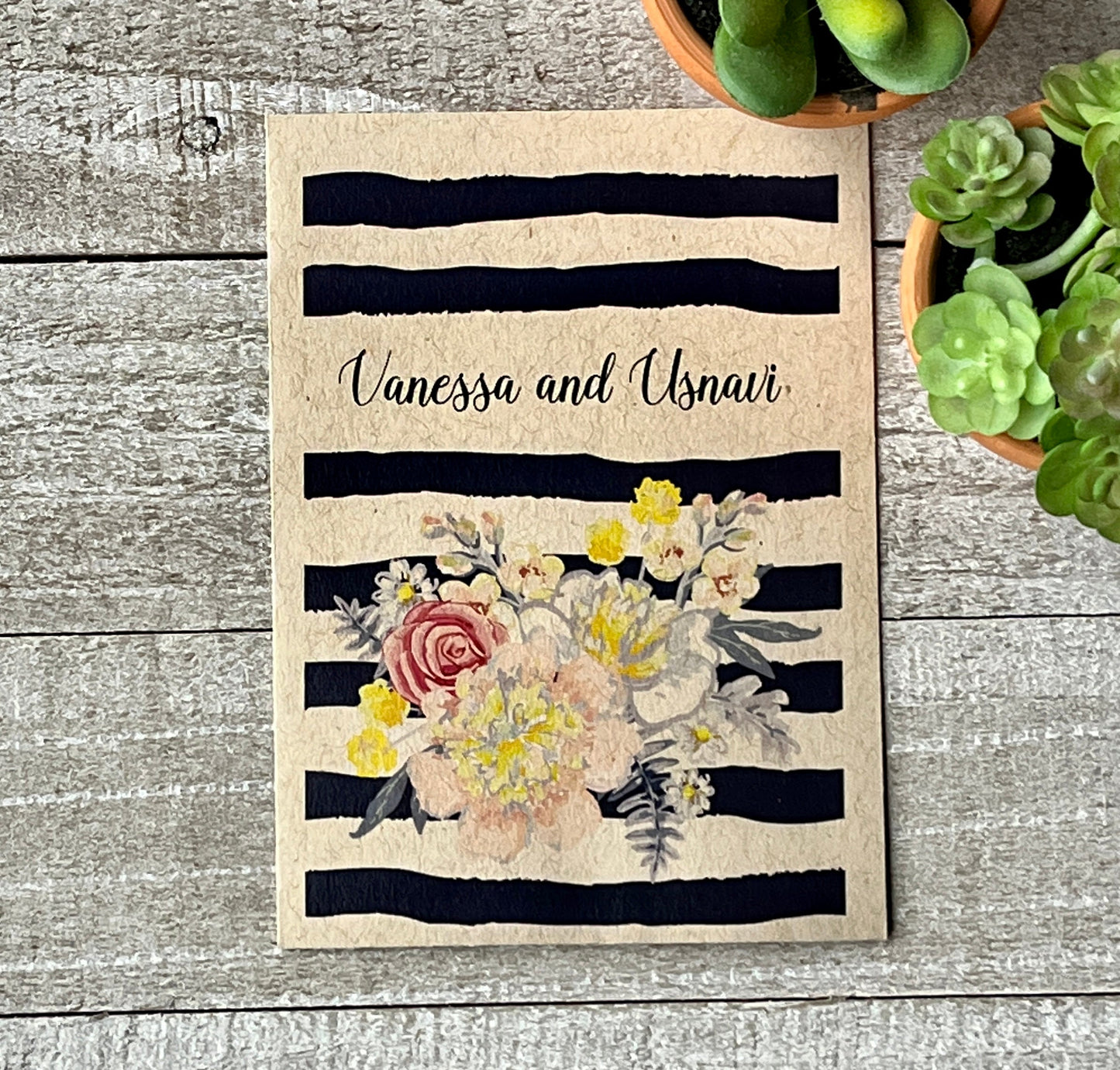
Whether you’re planting a garden border or growing seeds from a Bloom Street Packets sunflower favor, these steps will help you get started.
Sunlight: Full sun, with at least 6 hours of direct sunlight daily.
Planting time: After your last spring frost, once the soil has warmed.
Planting depth: Usually ½–1 inch; follow your seed packet.
Germination: Often 7–14 days in warm, moist soil.
Spacing: Depends on the variety and mature plant size.
Water: Keep seeds moist, then water deeply as plants grow.
Bloom time: Varies by variety; check your packet’s estimate.
This guide covers annual garden sunflowers. Perennial sunflower species may have different growing requirements.
Plant sunflower seeds outdoors after frost danger has passed and the soil is warm enough for germination.
The best month depends on your climate, so local frost dates are more useful than a fixed calendar date.
For an earlier start, you can:
Sow indoors about 2–3 weeks before your planned outdoor planting date.
Use individual pots or seed-starting cells with drainage.
Provide strong light as soon as seedlings emerge.
Transplant while plants are young, disturbing the roots as little as possible.
Direct sowing is usually the simplest approach because sunflowers dislike root disturbance.
Choose a sunny location with soil that drains well.
Before planting:
Remove weeds and grass from the planting area.
Loosen compacted soil.
Allow enough room for the variety’s mature height and width.
Consider shelter from strong winds for tall varieties.
Sunflower seedlings need plenty of light. If you start them indoors, use a bright location or grow lights to help prevent weak, stretched stems.
Check your packet for planting depth and spacing.
Sow seeds approximately ½–1 inch deep.
Cover gently with soil.
Water carefully to settle the soil without washing seeds away.
Keep the seedbed moist until seedlings emerge.
If you sow two seeds in one spot, thin to one healthy plant once seedlings are established. Snip the extra seedling at soil level to avoid disturbing nearby roots.
Spacing depends on the sunflower’s growth habit—not just its height.
Dwarf varieties: Follow the packet’s spacing for beds or containers.
Single-stem cutting varieties: May be grown relatively close together, depending on the desired flower size.
Branching varieties: Commonly need about 18–24 inches between plants.
Giant varieties: Often need about 24–30 inches between plants, plus room to move between rows.
Avoid using one spacing recommendation for every sunflower variety.
Keep newly planted seeds and young seedlings evenly moist without waterlogging the soil.
Once plants are established:
Water deeply at the base of the plants.
Check soil moisture during hot, dry weather.
Adjust watering to rainfall and soil conditions.
Check containers more often because they can dry out quickly.
Remove competing weeds and use mulch around established plants to help conserve moisture.
Sunflowers need adequate nutrients, but more fertilizer does not necessarily mean better flowers.
Use a soil test to identify nutrient needs.
Add finished compost where appropriate.
Follow fertilizer label instructions if feeding is needed.
Avoid excessive nitrogen, which can encourage leafy growth at the expense of flowers.
A routine of weekly feeding and switching fertilizers is not necessary for every garden.
Gradually introduce seedlings to outdoor conditions before transplanting.
Begin in a sheltered location for short periods.
Increase outdoor time and sunlight gradually.
Protect seedlings from frost and strong winds.
Transplant gently, keeping the root ball intact.
Water after planting.
This gradual adjustment, called hardening off, helps seedlings adapt to outdoor sun, wind, and temperature changes.
For a longer season of flowers, sow another batch of seeds every 2–3 weeks while your growing season allows.
Leave enough time for the final sowing to flower before fall frost.
Your variety also makes a difference:
Single-stem sunflowers generally produce one main flower per plant.
Branching sunflowers produce multiple flowers that open over time.
Planting successive batches or choosing branching varieties can help extend your display.
Some tall varieties benefit from staking, especially in windy locations or when heavy flower heads develop.
Install supports before plants become difficult to handle, and use soft ties that leave room for stems to grow.
Sunflowers bring height, color, and cheerful blooms to a garden. Watching a small seed become a flowering plant is part of the pleasure.
If your seeds arrived in a Bloom Street Packets sunflower favor, we hope each bloom brings back a happy memory of the occasion.
Get 10% Off Your First Order.