




Buy your weekday smoothies and get your weekend ones for free. (7 for the price of 5!)
WELLNESSWEEK


To grow Shasta daisies from seed, sow seeds shallowly in a seed-starting mix or prepared garden soil. Keep them moist during germination, provide plenty of light, and plant seedlings in a sunny location with good drainage.
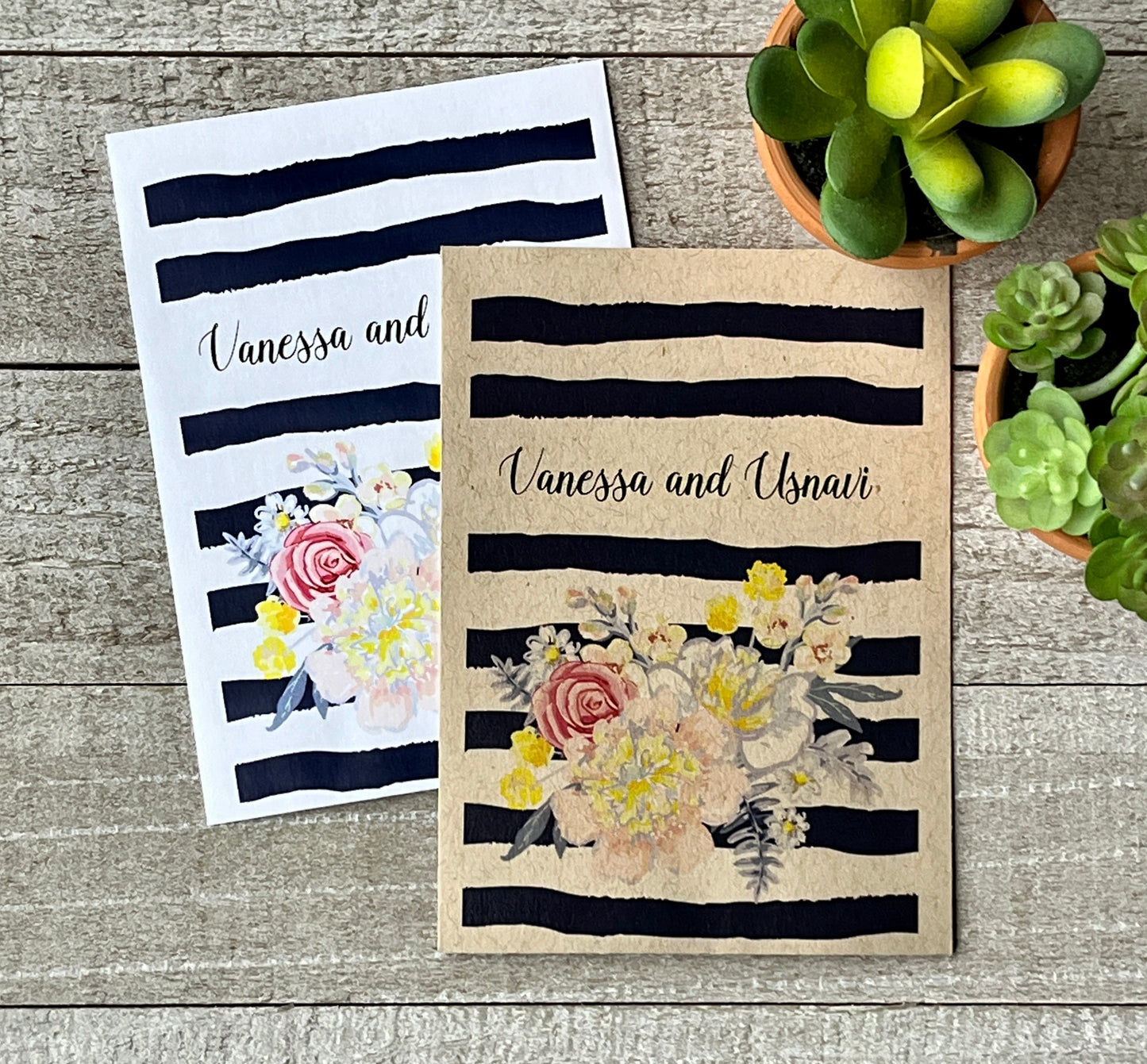
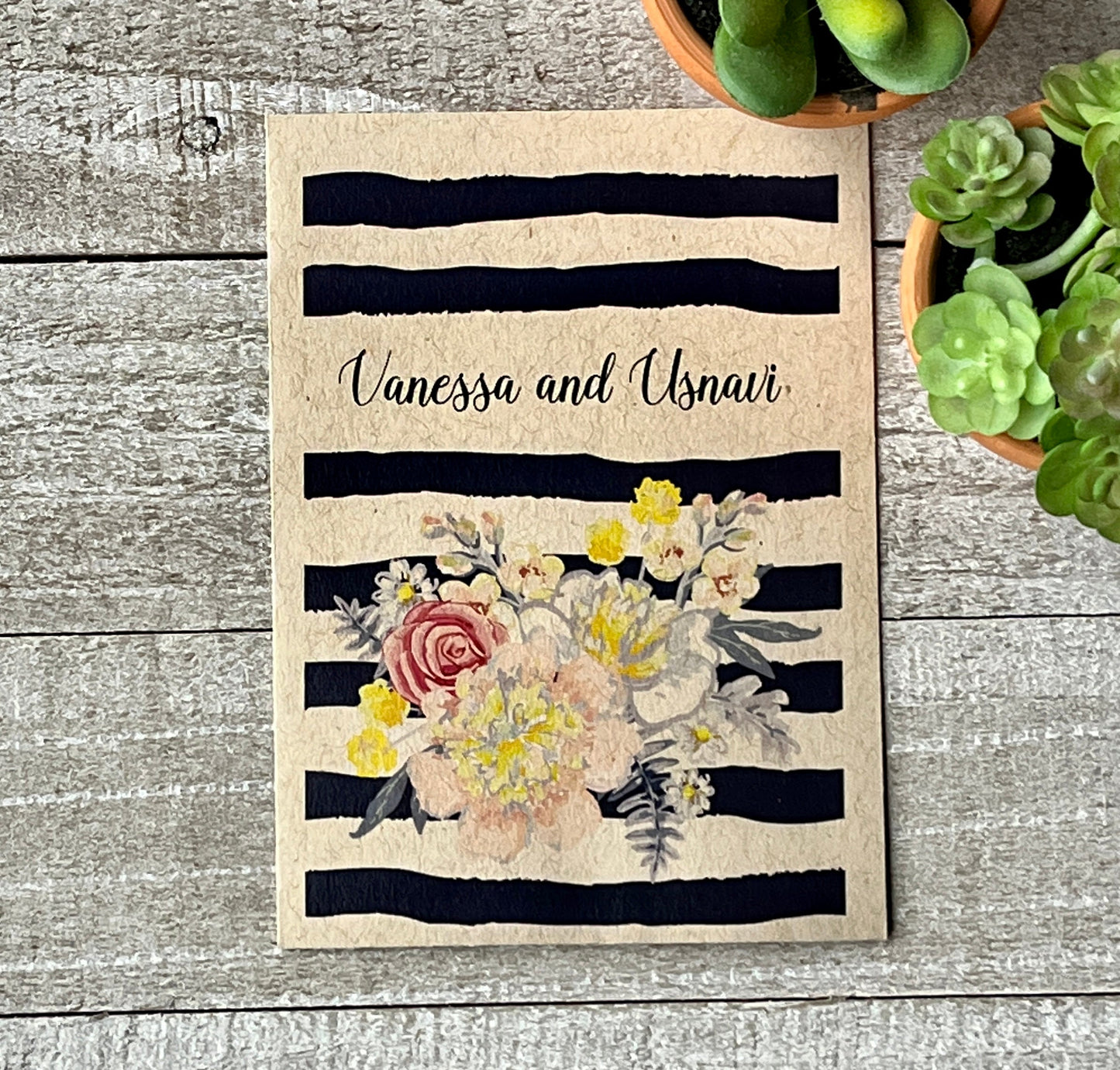
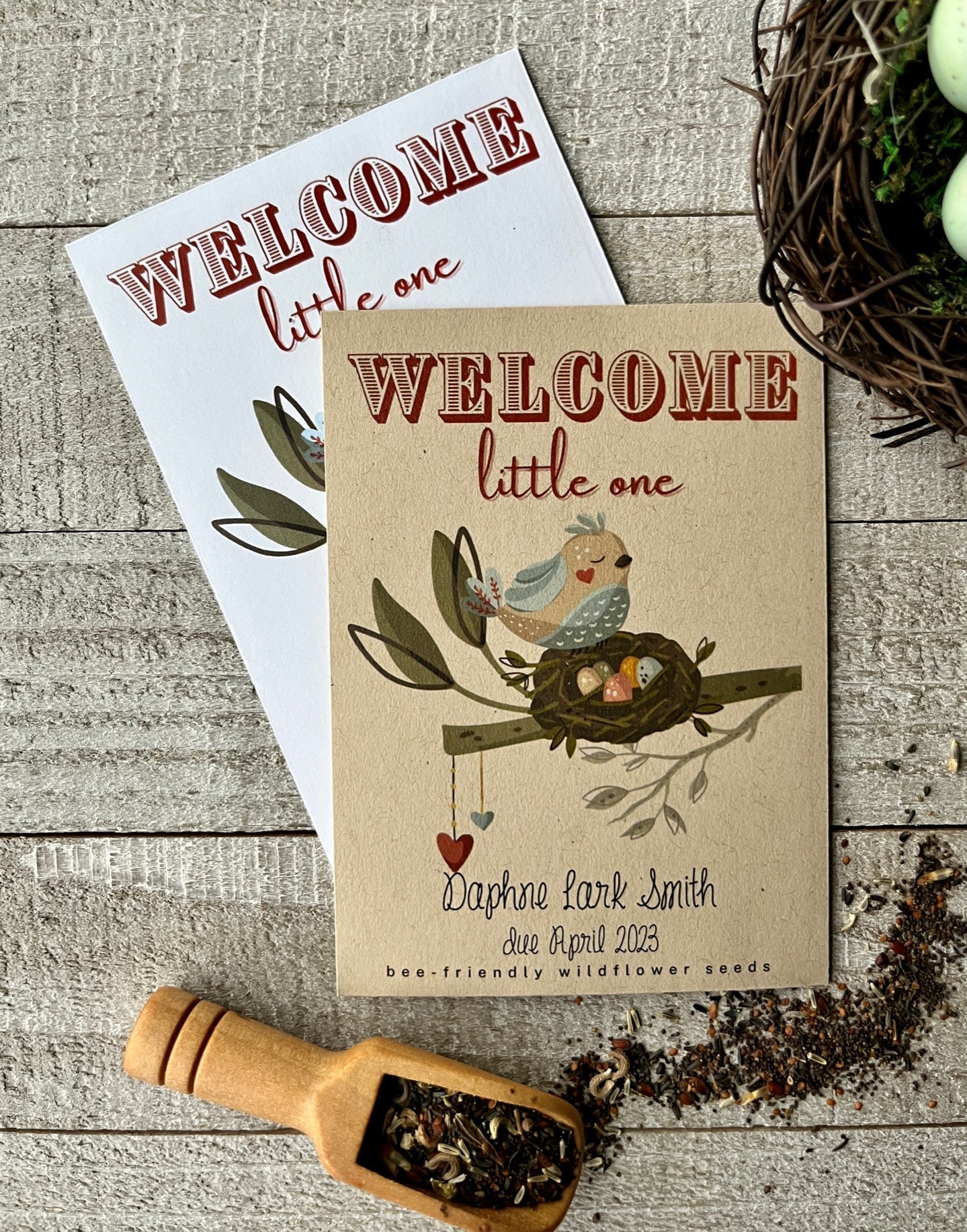
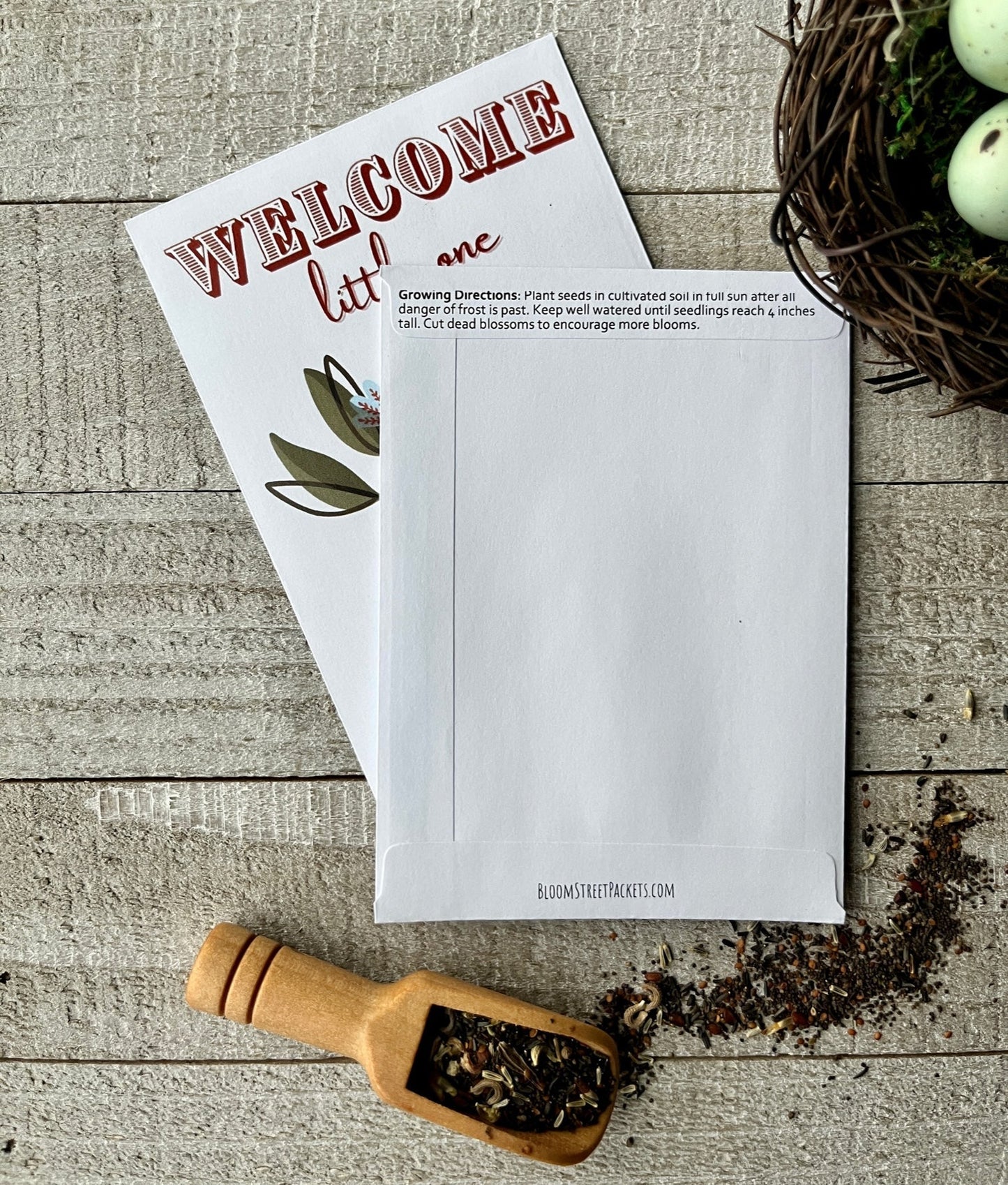
With their white petals and yellow centers, Shasta daisies bring a classic cottage-garden look to flower beds and borders. Whether you’re planting seeds from a Bloom Street Packets favor or adding to your perennial garden, a little patience can reward you with flowers in future seasons.
Plant type: Flowering perennial.
Sunlight: Full sun; some afternoon shade can help in hot climates.
Soil: Well-drained soil that does not stay waterlogged.
Indoor starting: About 8 weeks before your last spring frost.
Seed depth: Sow shallowly; follow your packet’s instructions.
Germination: Often 15–21 days under suitable indoor conditions, though some seeds take longer.
First flowers: Many seed-grown plants bloom in their second growing season; some varieties flower the first year.
You can start Shasta daisies indoors or sow them directly into a prepared garden bed.
Indoors: Start about 8 weeks before your last expected spring frost.
Outdoors in spring: Sow when local soil and weather conditions are suitable for germination.
Fall planting: May work where the climate allows seedlings time to establish before winter.
A seed-starting temperature around 70°F can support indoor germination. This is not a universal minimum soil temperature for planting outdoors.
Fill containers with a seed-starting mix. Choose pots or trays with drainage holes.
Moisten the mix before sowing.
Scatter seeds thinly and press gently onto the surface.
Cover only lightly, following your packet. Some instructions recommend approximately ⅛ inch of mix.
Mist gently and keep evenly moist without saturating the containers.
If you use a humidity dome, check it daily and remove it when seedlings emerge. Provide bright light and good airflow as the plants grow.
Choose a weed-free area with good drainage.
Loosen and smooth the soil surface.
Sow seeds thinly and shallowly.
Cover lightly according to your packet.
Water with a gentle spray.
Keep the seedbed moist during germination and early growth.
Thin crowded seedlings once they are easy to handle. Follow the spacing recommended for your variety so mature plants have room to form clumps.
Shasta daisies generally perform best in full sun and well-drained soil.
Look for a planting spot with:
At least 6 hours of direct sunlight daily.
Room for the variety’s mature height and spread.
Good airflow around plants.
Drainage that prevents standing water, especially in winter.
In hot climates, light afternoon shade may help. Add compost if your soil needs improvement, but avoid assuming every planting needs rich soil or extra fertilizer.
Move indoor-grown seedlings outdoors after frost danger has passed and they are ready to handle garden conditions.
Before transplanting:
Gradually introduce them to outdoor conditions over about a week.
Begin in a sheltered spot.
Increase exposure to sunlight and wind gradually.
Protect them from frost and extreme weather.
Plant with the top of the root ball level with the surrounding soil, then water thoroughly.
Seeds and young plants need consistent moisture while establishing. Mature plants should not sit in soggy soil.
Check soil moisture before watering.
Water thoroughly when needed rather than keeping the surface constantly wet.
Adjust for rainfall, heat, and soil drainage.
Check containers more frequently during warm weather.
Bottom watering can be useful for indoor seedlings, but it does not guarantee protection against damping off. Avoid overwatering and give seedlings adequate airflow.
Fertilizer needs depend on your soil and growing conditions.
Use a soil test when possible.
Add finished compost where appropriate.
Follow label directions if fertilizer is needed.
Avoid automatically adding fish meal, bone meal, or other supplements.
More feeding does not necessarily produce more flowers.
Some varieties can bloom in their first year when started early. Others spend their first growing season developing roots and foliage, then flower the following year.
Check your seed packet before setting expectations. Healthy foliage without flowers in the first season does not necessarily mean something is wrong.
Yes. Removing faded flower heads can encourage additional flowering and reduce seed production.
Cut off spent blooms as they fade.
Remove damaged or diseased foliage.
Keep weeds from crowding the plants.
Deadheading can extend the display, but it does not guarantee continuous flowers all season.
Good drainage is especially important during winter.
Remove dead or diseased foliage as appropriate after the growing season.
Keep wet mulch from piling against the plant’s crown.
In colder regions, winter mulch may help after the ground freezes.
Remove protective winter mulch as growth resumes in spring.
Winter protection depends on your climate and variety. Avoid burying plants under a thick, damp layer.
Growing a perennial from seed is a small investment in future seasons. Give your Shasta daisies time to establish, and enjoy watching your garden take shape.
If your seeds arrived in a Bloom Street Packets favor, we hope their flowers become a happy reminder of the person or occasion behind them.
Get 10% Off Your First Order.