






Buy your weekday smoothies and get your weekend ones for free. (7 for the price of 5!)
WELLNESSWEEK


Nantes carrots: Growing basics
To grow Nantes carrots, sow seeds directly into loose, well-drained soil in a sunny spot. Keep the seedbed moist until seedlings emerge, then thin the plants to give their roots room to develop.
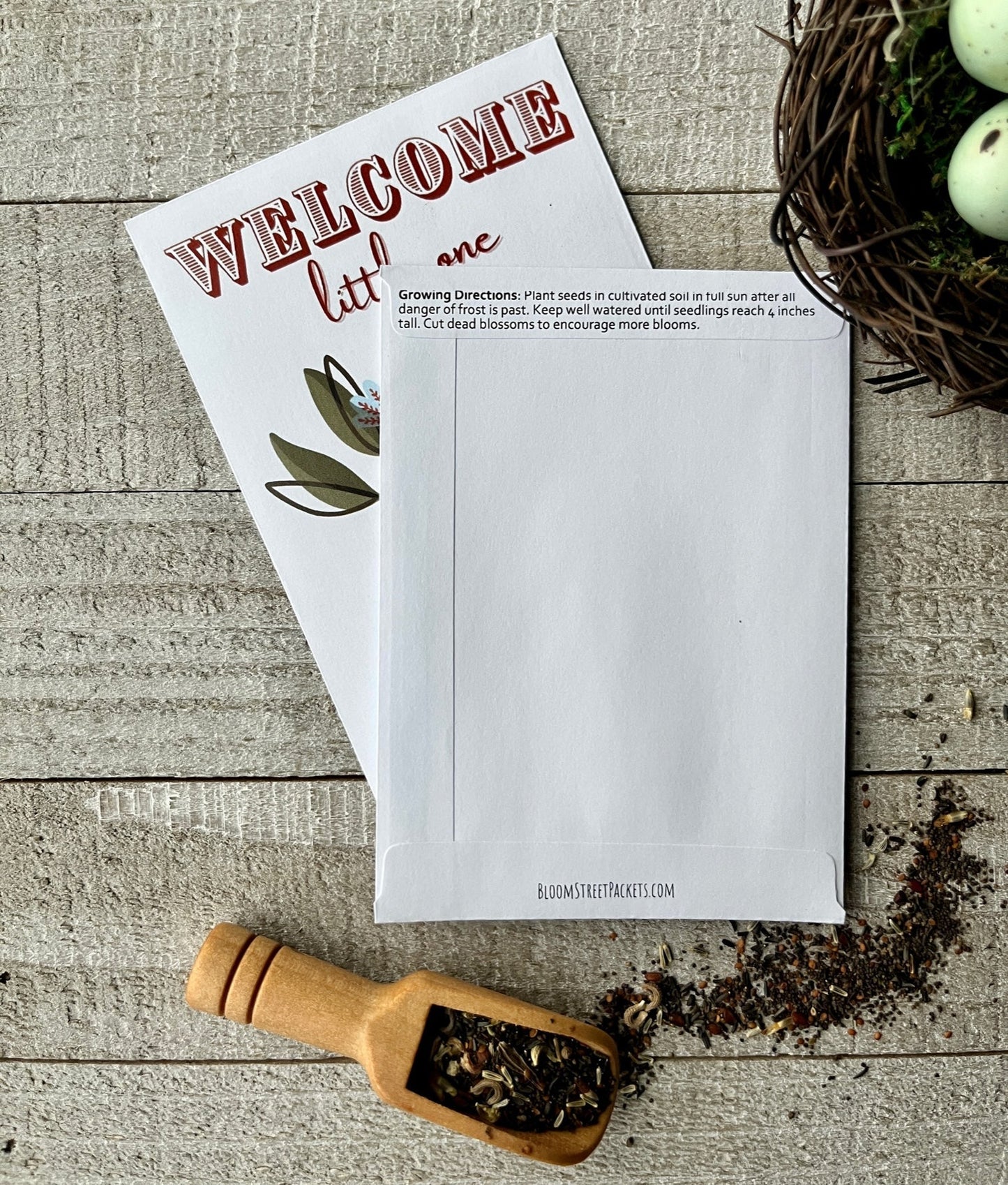
Whether you received Nantes carrot seeds in a Bloom Street Packets favor or chose them for your vegetable garden, a little preparation can help you enjoy a sweet, crisp harvest.
Nantes carrots are known for their sweet flavor, tender texture, and generally cylindrical roots. They’re a favorite for fresh eating, roasting, and lunchbox snacks.
Nantes is a carrot type that includes several varieties, so mature size and growing time vary. Check your seed packet for the details of your particular variety.
Carrots are a cool-season crop. Plant in spring when the soil can be worked, or time a later sowing for a fall harvest.
Your planting dates depend on your climate. For a fall crop, allow enough growing time before cold weather slows growth. Your local university extension service can help you choose dates for your area.
Choose a spot with full sun and loose soil that drains well. Remove rocks and break up compacted clumps so roots have room to grow.
Work finished compost into the bed as needed. Avoid excessive nitrogen fertilizer, which can encourage leafy tops at the expense of root development.
Raised beds can be useful when garden soil is rocky or compacted.
Carrots develop their taproots early and do best when sown directly into the garden or their final container.
Sow seeds about ¼ inch deep, following your packet’s instructions.
Cover lightly with fine soil.
Water gently to avoid washing the tiny seeds away.
Keep the surface moist without leaving it waterlogged.
Germination can take one to three weeks, depending on soil temperature and moisture. Don’t give up too soon! A dry or crusted soil surface can make it harder for seedlings to emerge.
Once seedlings are established and easy to handle, thin them to approximately 2 inches apart, or follow the spacing on your packet.
Snipping unwanted seedlings at soil level helps avoid disturbing neighboring roots. Giving each plant enough space is an important step toward a good harvest.
Established carrots generally need about 1 inch of water per week, including rainfall. Adjust for your soil, weather, and container conditions.
Aim for steady moisture throughout the root zone. Newly sown seeds need more frequent, gentle watering to keep the surface from drying out.
Yes. Choose a container with drainage holes and enough depth for the variety’s mature roots, with extra room beneath them. Use a loose potting mix and sow directly into the container.
Container soil can dry out quickly, so check moisture regularly. Thin seedlings just as you would in a garden bed.
Use the maturity estimate on your seed packet as a guide, then pull a sample carrot to check its size. Carrots can also be harvested young if you prefer smaller roots.
To harvest, carefully loosen the soil beside the roots with a garden fork or trowel, then lift them out. Pulling firmly without loosening the soil can break the carrots.
Remove the leafy tops after harvesting, clean the roots, and refrigerate them.
Crowded plants, rocks, compacted soil, and insufficient water can interfere with root development. Excess nitrogen can also produce plenty of leaves with disappointing roots.
For your next planting, focus on loose soil, adequate spacing, and consistent moisture.
There’s something satisfying about pulling a carrot you grew yourself. Enjoy your Nantes carrots fresh from the garden, roasted alongside dinner, or tucked into a lunchbox.
If your seeds arrived in a custom Bloom Street Packets favor, we hope growing them becomes a happy reminder of the occasion that brought them to you.
Get 10% Off Your First Order.